Here's something strange: a person from Tokyo can drive through rural Oklahoma and know exactly what their bathroom break will look like. The soap dispenser. The tile. The little paper seat cover. They've never been within a thousand miles of this place, but they already have the floor plan memorized.
That's not globalization in the abstract. That's franchising. And it changed civilization more quietly and more completely than almost any invention of the 20th century.
The idea is absurdly simple. One person figures out a business that works. Instead of opening more locations themselves, they sell other people the right to clone it. The buyer gets a proven system. The seller gets expansion without capital. Both sides win. On paper, it's just a licensing agreement.
In practice, it rebuilt the physical world.
Before franchising took off in the 1950s, commercial districts were genuinely local. A diner in Memphis bore no resemblance to a diner in Portland. You couldn't predict what you'd find on the next highway exit. Every meal was a small act of faith.
Franchising solved a problem most people didn't know they had: trust at scale. When you see golden arches or a green mermaid, you're not just recognizing a brand. You're receiving a promise — that this experience will fall within a narrow, predictable band of quality. Not great, maybe. But known. And for a species that spent most of its history deeply suspicious of strangers and unfamiliar places, "known" is extraordinarily powerful.
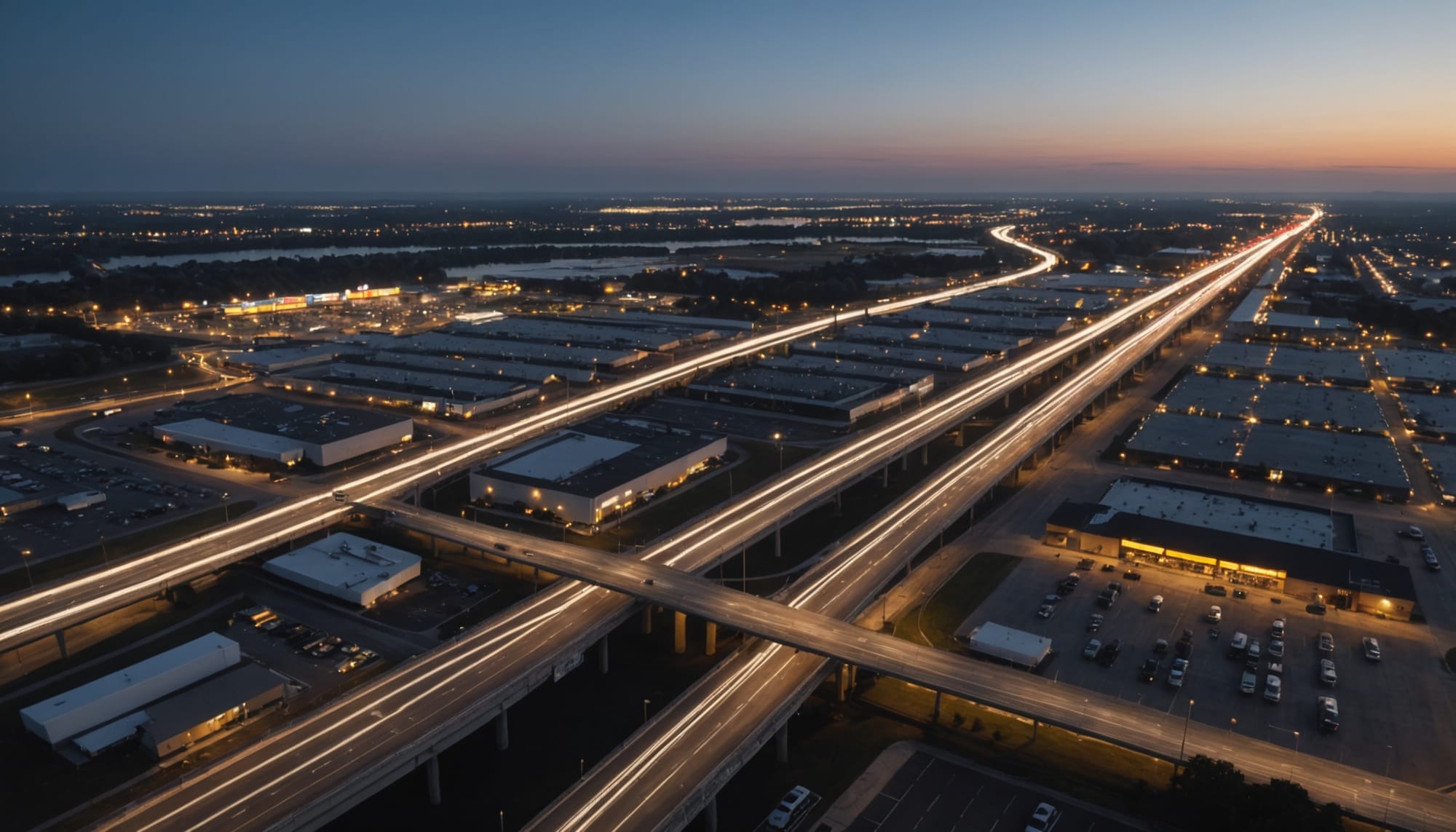
The ripple effects were enormous. Franchising standardized commercial real estate. It created a template for strip malls. It made the American highway exit a repeating unit of civilization — gas, food, lodging, all in formats you'd seen before. It trained consumers worldwide to value consistency over novelty. And it gave millions of people a way to own a business without inventing one, which is a genuinely radical democratization of entrepreneurship, even if nobody talks about it that way.
It also did something subtler. It made every place feel a little more like every other place. The anthropologist Marc Augé coined the term "non-places" — airports, malls, highway rest stops — spaces so standardized they could be anywhere. Franchising is the economic engine behind non-places. It turns geography into interchangeable backdrop.
There's a tension here that never resolves. Franchising gives people what they demonstrably want: reliability, affordability, familiarity. And it quietly erases the thing they say they value: uniqueness, local character, surprise. We vote with our wallets for sameness and with our Instagram accounts for difference.
The franchise model didn't just copy restaurants. It copied the idea of copying — and applied it to gyms, hotels, tax prep, tutoring, urgent care, even churches. It's arguably the most successful replication technology since the printing press.
So the next time you're on a highway and you pull into a parking lot you've somehow already visited — ask yourself: is that comfort, or is that loss? And why does it feel so much like both?